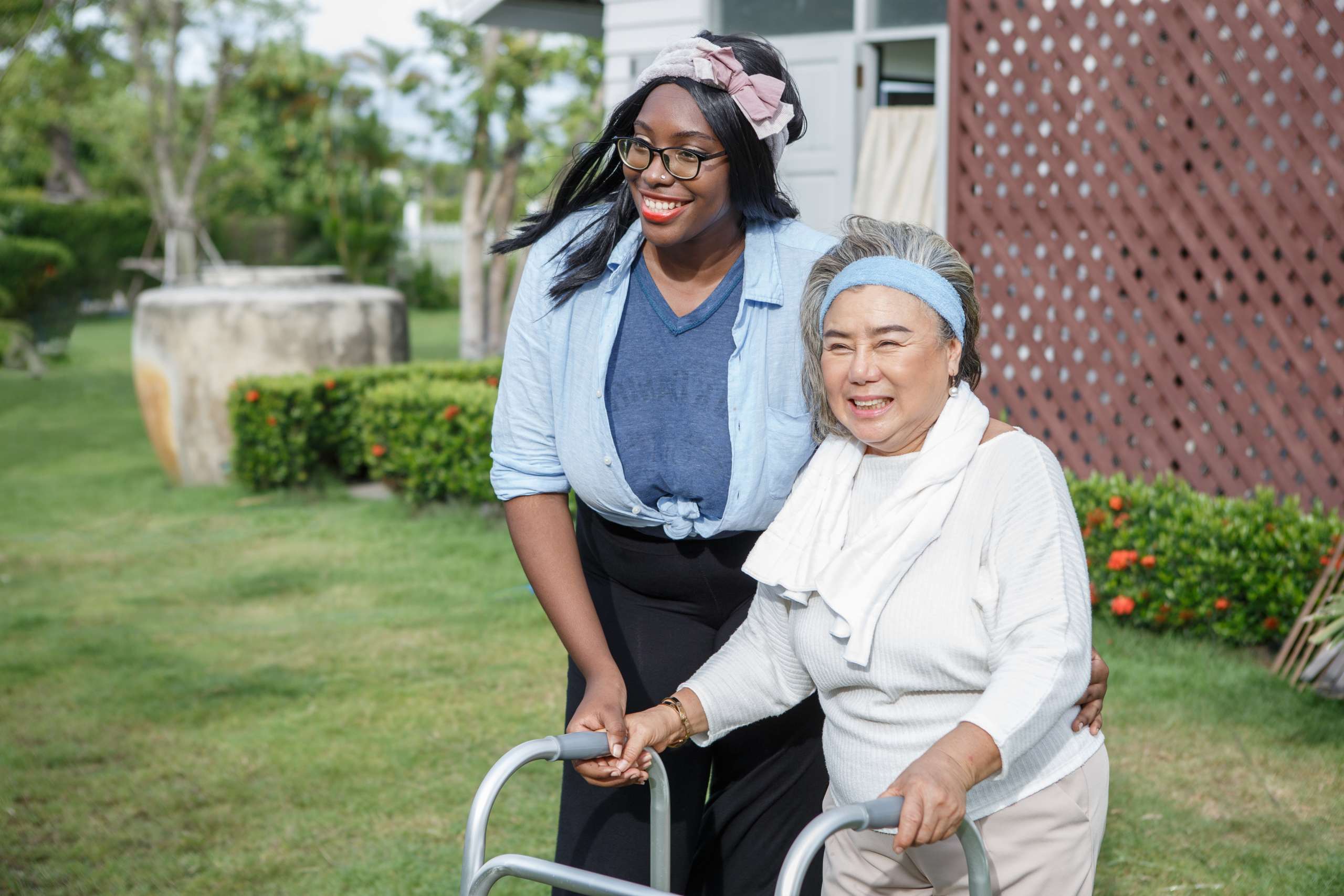



The Role of a Home Care Nurse


Home care nurses provide medical support to patients in their own homes. Many of these patients are older adults, people with chronic conditions, or individuals recovering from illness or surgery. Home based care helps people stay in a familiar place, which can improve comfort and stability. The role of a home care nurse is central to making this type of care safe and effective.
Home care nursing has grown as more families look for options outside traditional facilities. This shift creates new opportunities, new responsibilities, and steady demand nationwide.

What Does a Home Care Nurse Do?
Home care nurses perform many of the same clinical tasks they would complete in a hospital or clinic. The work takes place in the patient’s home, so each visit requires flexibility and strong judgment. Nurses adjust care plans to fit the patient’s living conditions, support system, and daily routine.
Common duties include:
- Checking and recording vital signs.
- Managing wound care.
- Giving medications.
- Monitoring chronic conditions like diabetes or heart disease.
- Supporting recovery after surgery or injury.
- Teaching patients and caregivers how to follow treatment plans.
- Noticing changes in health or behavior and reporting them.
- Coordinating with physicians, therapists, and case managers.
Some home care nurses focus on pediatric patients with long-term needs. Others work with adults who need short-term support or ongoing care. Education plays a large part in this role. Nurses often teach families how to manage medication schedules, mobility support, and safety tasks to ensure care remains consistent between visits.
Working in a home allows the nurse to see the patient’s daily challenges. This helps shape realistic care plans that fit the patient’s abilities and support network.
How Much Do Home Care Nurses Earn?
Earnings for home care nurses vary based on location, employer, and experience. Most home care nurses are registered nurses, so their income often aligns with other RN positions. Pay may be hourly or a salary. Many positions offer extra compensation for evening, weekend, or holiday shifts.
Urban areas often pay more but may come with high competition. Rural areas may offer steady work with moderate pay. Nurses with special training in wound care, hospice, geriatrics, or infusion therapy may earn higher wages. Leadership roles within home care agencies can also raise earnings.
Experience matters in this field. Nurses who have spent years in home care often take on advanced responsibilities and may guide new staff.
A General Reminder About Insurance for Home Care Nurses
Home care nurses enter private homes where conditions vary. A clean and organized home can turn into a crowded or unsafe environment during the next visit. Pets, family stress, poor lighting, and mobility hazards can increase the risk of mistakes or accidents. Even with careful practice, claims can arise from misunderstandings or unexpected outcomes.
This is why personal insurance is important for home care nurses.
The two most common types of insurance often taken out by nurses include:
- Professional liability insurance: This insurance helps protect you against claims of negligence, misrepresentation or mistake, as well as document or paperwork errors. Claims made against a Professional Liability policy typically result from clients who allege that your services or employees have caused them to suffer some sort of financial damage.
- General liability insurance: This insurance can help safeguard your finances against bodily injury or property damage lawsuits from outside parties. Whether an accident is your fault or not, or the accusation is true or meritless, General Liability coverage may help protect your business against covered claims by paying defense costs and any damages up to your chosen policy limit.
Many home care nurses work as independent contractors and may wish to consider their own coverage. Even nurses employed by agencies often choose a personal policy to cover gaps in the employer’s plan. A strong insurance plan helps protect the nurse’s license, income, and long-term career from claims.
Why Insurance Is Important for Home Care Nurses
Home settings create risks that nurses cannot fully control. A patient may trip while following instructions. A family member may misinterpret a care plan. A piece of equipment may fail. These events can lead to claims that cost time and money.
Professional liability insurance helps cover attorney fees, settlements, and other costs associated with a malpractice claim. General liability insurance helps with nonmedical risks, such as a fall on a loose rug or damage to a patient’s belongings. Without insurance, the financial impact can be serious.
Insurance also supports career mobility. Nurses who maintain personal coverage can switch employers, shift into agency work, or start independent practice with fewer complications.
Where Is Demand the Highest?
Demand for home care nurses is strong in many regions. Areas with large aging populations tend to need more home-based services. States with broad rural communities rely on home care programs because hospitals and clinics may be far away. Large cities with high living costs could also see growth as families search for ways to reduce long hospital stays.
States with flexible scope-of-practice rules for nurses often experience high demand for nurses. These rules allow nurses to provide more hands-on care and make more clinical decisions, which increases the need for skilled home care workers.
Emerging Roles in Home Care Nursing
Home care nursing continues to expand as patient needs change. New roles now include remote monitoring support, infusion therapy in the home, chronic care coaching, and early stage hospice care. There is a rising demand for nurses who specialize in dementia care, fall prevention, and long-term mobility support.
Telehealth also plays a bigger part in home care. Nurses collect information in person and share it with providers through secure digital tools. This allows faster decisions and better coordination.
Home based care will continue to grow. Home care nurses will have more opportunities to guide patient treatment and shape long term health outcomes.
© Copyright 2025 BizInsure LLC, 2015 ALL RIGHTS RESERVED BizInsure LLC; CA DBA: Simple, Smart, BizInsure Insurance Agency LLC; NY DBA: BizInsure Services LLC; NH DBA: Simple, Smart, BizInsure Insurance Agency; PA DBA: BizInsure Services LLC. 2950 Buskirk Ave Suite 300, Walnut Creek CA 94597. License #0H81929.