


Home Care Nurse vs Home Health Aide: What is the Difference?


Families frequently seek help when one of their loved ones needs support at home, and two roles typically emerge: home care nurses and home health aides. Although both provide essential services, their duties, training, and scope of practice differ; understanding this helps families select an appropriate level of care while professionals gain clarity into expectations within each role.
This guide details what each profession entails, where it operates and the support networks between occupations that exist today. Furthermore, this piece explains why appropriate insurance protection for both occupations is critical.
What Does a Home Care Nurse Do?
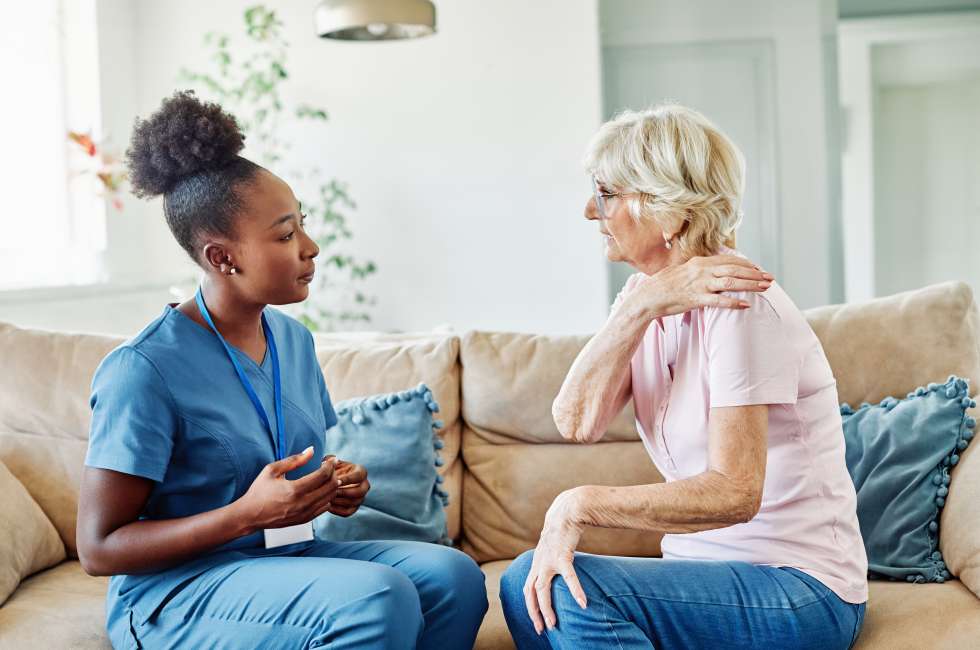
Home care nurses are licensed medical professionals trained to provide skilled clinical care in patients’ homes. Their mission is to meet ongoing medical needs safely while managing ongoing health needs for their patients. Postoperative care involves informing both patients and families of the care plans.
Key responsibilities include:
- Wound care
- Medication administration
- Monitoring vital signs and managing chronic conditions.
Home care nurses adhere to clinical standards and document patient progress, working under stringent state regulations to provide skilled nursing services. In addition, they frequently coordinate with physicians to adapt treatment plans.
Home care nurses may work for home health agencies or as independent contractors and visit multiple homes daily, depending on patient needs.
What Is a Home Health Aide?
Home health aides are professional assistants who assist in everyday tasks for comfort rather than medical treatment. While most states require some form of training or certification for home health aides, their requirements are typically less stringent.
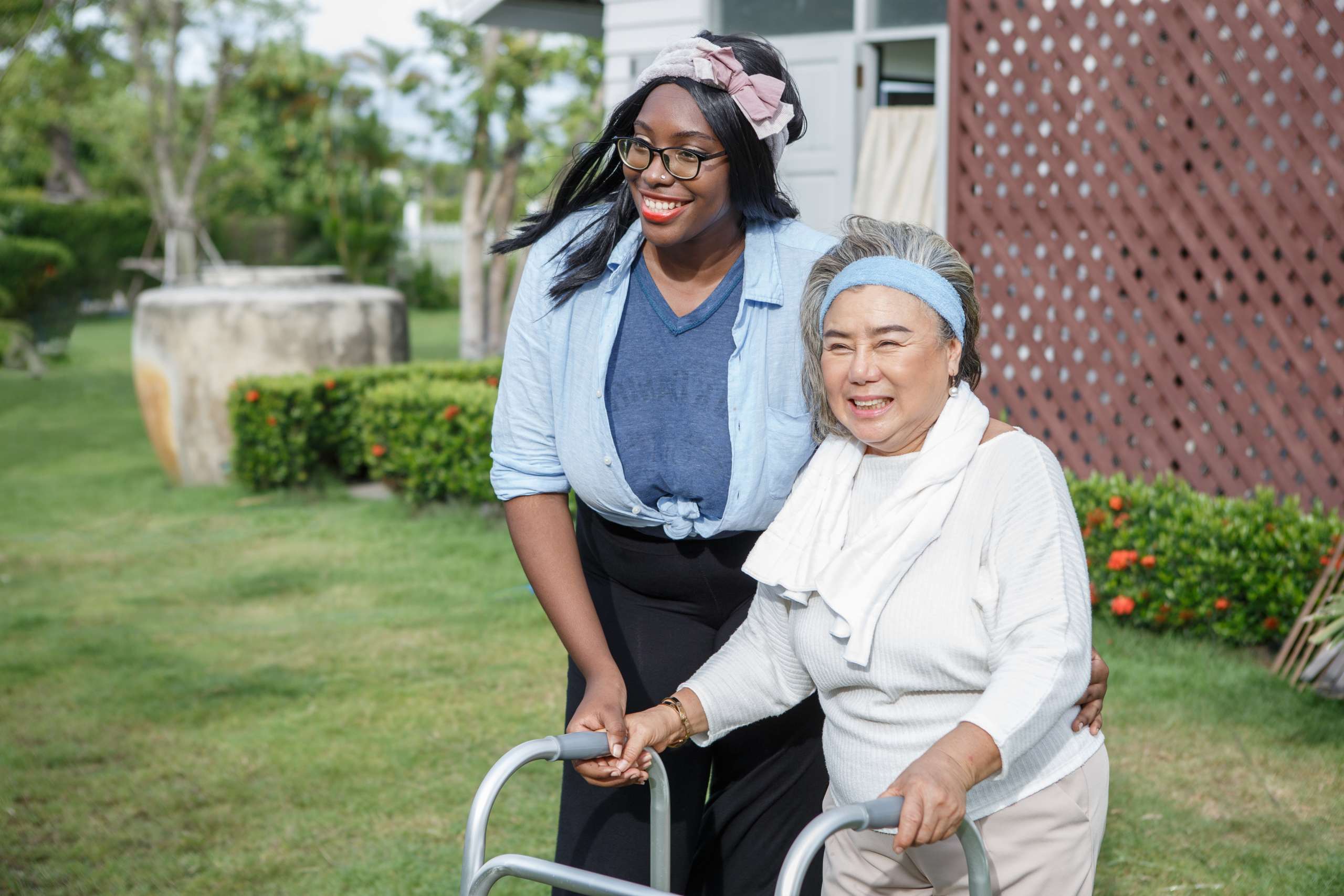
Typical tasks performed by home care service providers may include (but are not limited to) bathing and grooming, mobility assistance, meal preparation, and light housework, as approved by a nurse or therapist; assisting with exercises approved by a physiotherapist or occupational therapist; and helping with exercises approved by them.
Companionship and Safety Monitoring.
Home health aides provide nonmedical support that allows clients to remain in their own homes. They are an essential service for seniors and individuals with mobility or cognitive challenges who require assistance. Although home health aides do not provide skilled nursing care themselves, their efforts contribute towards improving the quality of life while supporting licensed professionals’ plans of care.
Home health aides typically work for agencies. Some work directly for families through private hire arrangements.
Work Environment and Collaboration
Home care nurses and health aides work collaboratively to create an optimal care environment for their patients, creating peace of mind for families.
Home care nurses visit regularly to complete clinical tasks, such as medication adjustments or wound care, and to evaluate patient health and adapt their care plan accordingly. Home health aides then assist with daily routines to keep the patient comfortable between visits.
Communication is crucial. Aides must report any changes they observe, such as decreased appetite, mobility issues, or behavioral shifts that require attention from nurses; nurses will then evaluate each case individually to decide whether a doctor needs to be informed.
Most work takes place in private homes; some professionals also serve clients at assisted living facilities; however, most services focus on one-on-one support.
Demand for both professions continues to increase as baby boomers age in place, driving steady job growth across the US.
Home Care Nurses
According to the Bureau of Labor Statistics, registered and LPN registered nurses have experienced strong growth over recent years. More patients opting for home-based medical care has led to an increase in registered nurse and LPN positions outside hospitals and clinics; pay varies by state, experience, and patient needs. On average, home care nurses earn higher than home health aides as they provide skilled clinical services.
Home health aide employment growth is among the fastest in healthcare. Families value these workers and the ongoing support they provide. Pay levels tend to be lower than nursing wages; however, job openings remain consistent and widespread. Many aides transition into nursing assistant roles or programs as they gain experience.
Both careers offer steady employment, flexible scheduling, and ample opportunities to build long-term client relationships.
Insurance Considerations
Both roles involve providing direct care to vulnerable individuals, which carries risk. Home care nurses and home health aides should consider the significance of having adequate home health aide insurance coverage in place for themselves.
Home care nurses typically require Professional Liability insurance due to the nature of their work, which requires clinical tasks and medical judgment. Any claims could involve medication errors, missed symptoms or documentation issues; many agencies offer partial coverage, while independent nurses or contractors usually need their own policy.
Home health aides may benefit from Professional Liability insurance as part of their professional duties, which include personal care, mobility support and daily tasks. Claims may arise from accidental injuries or property damage during visits; having basic liability coverage gives families confidence in the services provided.
BizInsure offers fast, affordable options for both professions. Coverage allows caregivers to focus on providing safe care without worry or distraction. Get a quote today.
© Copyright 2025 BizInsure LLC, 2015 ALL RIGHTS RESERVED BizInsure LLC; CA DBA: Simple, Smart, BizInsure Insurance Agency LLC; NY DBA: BizInsure Services LLC; NH DBA: Simple, Smart, BizInsure Insurance Agency; PA DBA: BizInsure Services LLC. 2950 Buskirk Ave Suite 300, Walnut Creek CA 94597. License #0H81929.