


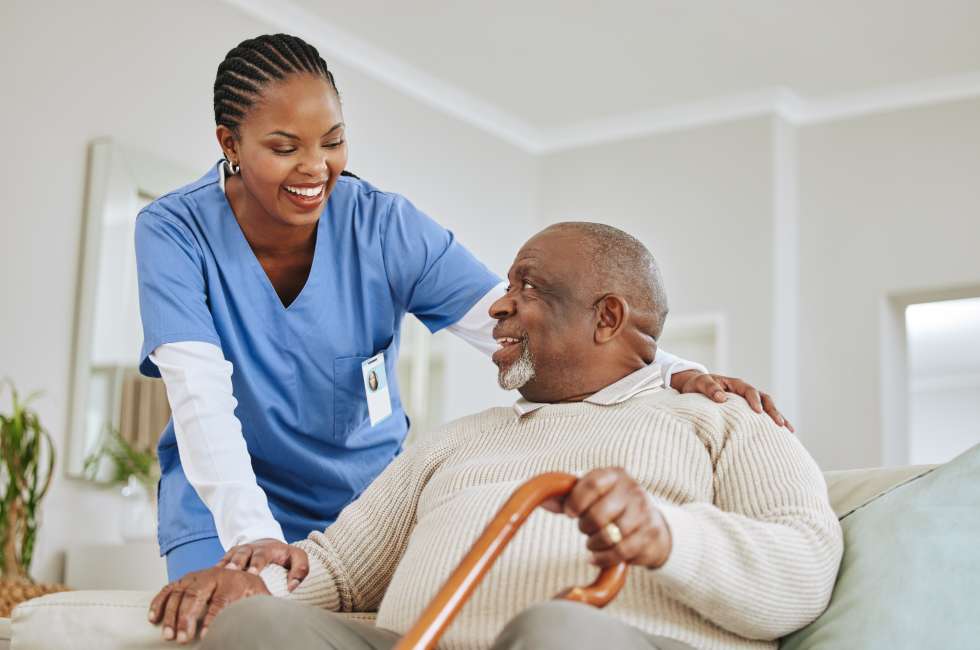
The demand for caregivers in New York is growing fast. With more seniors choosing to age at home, agencies and families alike are increasingly in the lookout for trained professionals they can rely on. Certification is an important step for anyone entering the field because it ensures quality care, protects clients, and makes you eligible for agency jobs and Medicaid-funded roles.
If you’re thinking about starting a career in caregiving, you might be wondering what it takes to get certified. This guide will walk you through exactly how to become a certified Personal Care Aide (PCA) or Home Health Aide (HHA) in New York.
1. Meet basic eligibility requirements
The first step to becoming a certified caregiver in New York is making sure you meet the basic requirements. Generally, applicants should be 18 years or older and must be legally allowed to work in the U.S. This is the baseline requirement for working with most licensed home care agencies.
You may also need to show that you can read, write, follow instructions, and keep simple records. These skills are essential for tasks like documenting care activities and understanding client needs.
2. Complete state-approved training
Once you’ve met the basic requirements, the next step is completing your training. In New York, training must be done through a program approved by the Department of Health (DOH).
Personal Care Aide (PCA): You’ll need to complete at least 40 hours of instruction based on the Home Care Curriculum (HCC). This includes classroom lessons, hands-on practice, and a final competency evaluation.
Home Health Aide (HHA): The path is a bit longer, requiring at least 75 hours of training. This combines classroom education with practical experience. HHA programs cover not only personal care but also limited health-related services, preparing you to take on a broader role in supporting clients.
3. Alternate Competency Demonstration (ACD)
If you already have experience working in home care, you may be able to fast-track the certification process. New York offers an Alternate Competency Demonstration (ACD) for applicants with prior relevant skills.
Instead of completing the full 40-hour PCA training program, you’ll be tested on the same knowledge and hands-on skills required of new trainees. This includes both written assessments and practical demonstrations. Passing the ACD confirms that you meet the state standards without repeating training you’ve already mastered.
4. Pass competency evaluation
Once training is complete, the next step is proving your skills. The state requires all candidates to complete a written test along with a practical skills demonstration. These assessments confirm that you’re ready to work with clients in a real-world setting.
Successful candidates earn a PCA or HHA certificate. PCA certification does not expire, but HHAs may be required to participate in ongoing in-service training as part of their role. This process helps assure agencies and families that certified caregivers meet New York’s professional standards.
5. Register with the state
Once you’ve earned your PCA or HHA certificate, your information is added to the New York State Home Care Registry. This registry serves as the official record of certified caregivers in the state.
Employers use the registry to confirm that you’ve completed the required training and evaluations. It also gives families confidence that they’re hiring caregivers who meet New York’s standards. Being listed makes it easier to connect with agencies and start working without delays.
6. Screening & Health Requirements
Before starting work, certified caregivers must complete standard screening and health checks. Most agencies require a criminal background check. This step ensures client safety and builds trust with families who are welcoming caregivers into their homes.
In addition, caregivers go through a health screening process. This usually includes a tuberculosis (TB) test, and possibly other physical examinations depending on the requirements of the agency or the jurisdiction you’ll be operating in. These measures safeguard the well-being of clients, many of whom are elderly or medically fragile, and ensure caregivers are ready to provide safe, reliable support.
7. Ongoing training (for HHAs)
For home health aides, certification is paired with a continuing education requirement. Federal rules mandate a minimum of 12 hours of in-service training annually to maintain active status.
This ongoing training may include refreshers on core care skills, workplace safety, and new care protocols. It’s designed to keep HHAs up to date while ensuring agencies meet compliance standards. By committing to regular training, HHAs not only maintain their certification but also strengthen their ability to provide dependable, high-quality care to clients.
8. Optional route: Paid family caregiver programs
Another option for becoming a caregiver in New York is through paid family caregiver programs like CDPAP or Medicaid-funded Personal Care. These initiatives allow eligible individuals to choose their own caregiver, often a family member or close friend, and have them compensated for providing care.
Unlike traditional PCA or HHA pathways, CDPAP caregivers don’t need to complete a certified training program. Instead, the person receiving care determines whether their chosen caregiver is capable of meeting their daily support needs. No license or formal coursework is required, though caregivers must be legally authorized to work in the U.S.
This path gives families more control and lets caregivers provide essential help without jumping through regulatory hoops, while still being part of a Medicaid-supported system.
Why business insurance matters for caregivers
Earning your PCA or HHA certification is a big step toward building a career in home care. But certification is only one part of working safely and professionally. When you enter a client’s home, you take on responsibility for their well-being. That comes with risk. A client might fall during mobility assistance, or their family could allege negligence if they believe care standards weren’t met. Even a single incident could result in an expensive claim.
Business insurance helps reduce those risks. Policies like General Liability and Professional Liability can safeguard your business and livelihood if something were to go wrong. Beyond financial security, carrying insurance reassures families and employers that you’re serious about professionalism and accountability. Having business insurance can also give families and agencies confidence that you are operating responsibly, which can make you more competitive when seeking work.
BizInsure offers fast, affordable coverage for caregivers
As a caregiver, your schedule is packed. You don’t have time to waste on mountains of insurance paperwork or complex insurance jargon. With BizInsure, you don’t have to.
Our online platform lets you compare quotes from leading U.S. insurers, customize coverage, and secure protection in just minutes. It’s fast, affordable, and designed for caregivers looking for peace of mind without the hassle.
Visit BizInsure today to compare quotes and see how much you can save.