


Nurses play an invaluable role in keeping patients safe and secure at home. Private duty nurses and home health nurses both offer homecare services; the difference lies in service level, frequency of visits and payment arrangements for care provided. Understanding these differences will allow nurses to select their ideal career paths and families to determine which support services may be required.
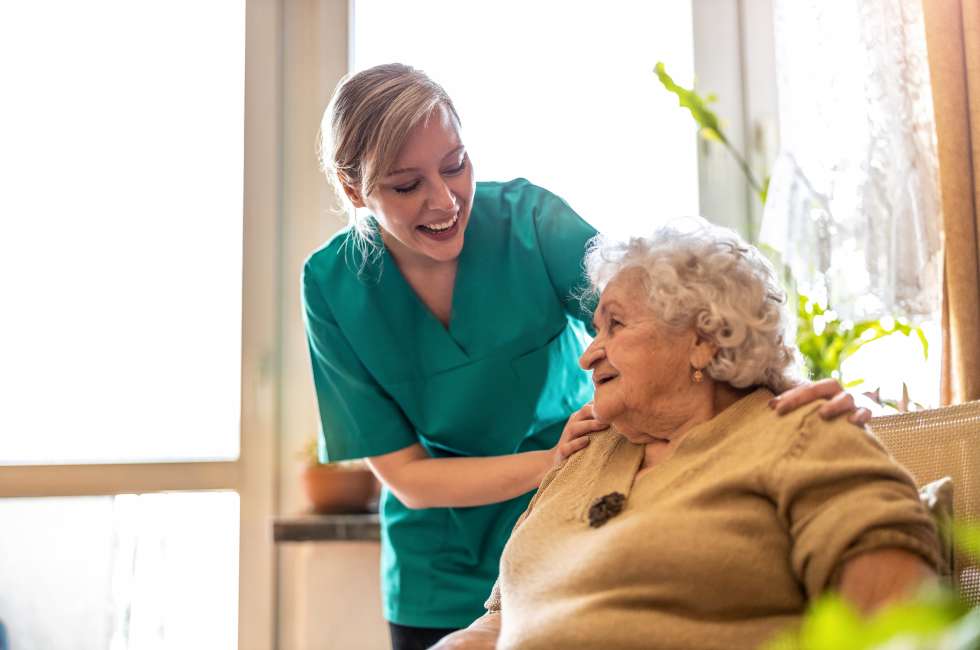
This guide details each role, the necessary credentials, the expected work settings, and what nurses can expect from each career path.
What Is a Private Duty Nurse?
Private-duty nurses provide one-on-one nursing care to a single patient for extended periods. They may work eight- or 12-hour shifts or stay overnight depending on the needs of the individual patient, and their focus is on providing consistent long-term treatment plans.
Private duty nurses provide care for those requiring intensive monitoring or special assistance, such as:
- Ventilator care
- Tracheostomy care
- Tube feeding
- Medication management
- And ongoing assessment for chronic conditions.
Families typically seek private duty nursing when their loved one requires continuous skilled care that extends beyond short visits. Private-duty nurses become familiar with a patient’s routine, preferences, and progress over time as they spend more time with one patient, fostering a deeper relationship and greater insight into the patient’s needs.
Private-duty nurses may be hired directly through an agency or work directly with families.
What Are Home Health Nurses (HHNs)?
Home health nurses provide skilled medical care with a unique structure: instead of staying with one patient for long shifts, they visit several patients each day with specific orders from physicians for them to complete specific clinical tasks.
Home health nurses provide various services, including wound care and medication instruction; postoperative recovery assessment; vital signs monitoring; effective management of chronic conditions; and reporting updates to their patients’ physicians.
Home health nursing typically offers short-term support after illness or surgery. Care plans and records of each visit help guide and document care.
This role offers variety and flexibility; nurses often meet multiple patients each day. Furthermore, visits are frequently scheduled in advance.
Licensing and Qualifications
Private-duty nurses and home health nurses must hold either an RN or an LPN license and receive training to perform skilled nursing tasks in home settings. Most agencies require these prerequisites:
- Maintain a current nursing license.
- Receive CPR certification.
- Meet any background check criteria.
- Gain experience in clinical procedures.
- Develop strong assessment abilities.
Private duty nursing may involve working directly with complex equipment such as ventilators and feeding pumps, while many families and agencies seek nurses with strong critical thinking skills and the ability to handle unexpected changes during long shifts.
Home health nurses require excellent documentation skills since every visit must be documented, as well as proficient time management, since they travel between homes.
Work Environment and Lifestyle
Private-duty nurses care for one patient at a time, resulting in a steadier workday with fewer interruption. This allows them to focus on one individual versus taking on multiple shifts simultaneously – but with less variety comes potentially extended shifts and longer shift times.
Home health nurses travel from home to home to visit many patients. Each day will bring its unique challenges. Their typical workday may involve driving between homes, managing schedules efficiently and completing detailed documentation.
Both roles require independence and excellent communication skills, as they involve working outside a traditional clinical environment.
Insurance and Payment Options Considerations
Payment structures vary for every role and function. This will also impact their risk management and insurance needs.
Private duty nursing services are most often funded through private pay (out of pocket) or long-term care insurance, though coverage can sometimes be available through programs like Medicaid waivers or veterans’ benefits depending on eligibility and policy terms. Because private duty nurses provide continuous, one-on-one care for extended periods, they have more frequent clinical interactions with a single patient which can increase exposure to negligence or malpractice claims. This includes those arising from medication administration errors, failures in monitoring, or other care-related injuries.
Home health nursing services in the U.S. may be covered by Medicare, Medicaid, or private health insurance when patients meet eligibility and medical-necessity requirements and services are delivered under an ordered plan of care.
Home health agencies typically carry professional liability coverage for their employees, but coverage terms vary; nurses working independently or as contractors may wish to maintain their own professional liability policy.
Professional Liability insurance for private-duty and home health nurses is an important consideration because it helps protect against claims arising from errors or omissions in patient care, including legal defense and potential damages.
Which Nursing Path Is Appropriate for You?
Both career paths can provide rewarding work that makes a tangible impact on others’ lives.
Private duty nursing offers steady one-on-one care, long-term relationships and a more relaxed pace than other forms of nursing care. It suits nurses who enjoy routine and want to focus solely on one patient at a time.
Home health nursing offers variety, teaching opportunities, and short visits that allow nurses to gain clinical expertise while also providing independence, travel opportunities, and a structured care plan.
Every path offers flexibility and meaningful work; your best choice depends on your strengths, comfort level, and long-term goals.