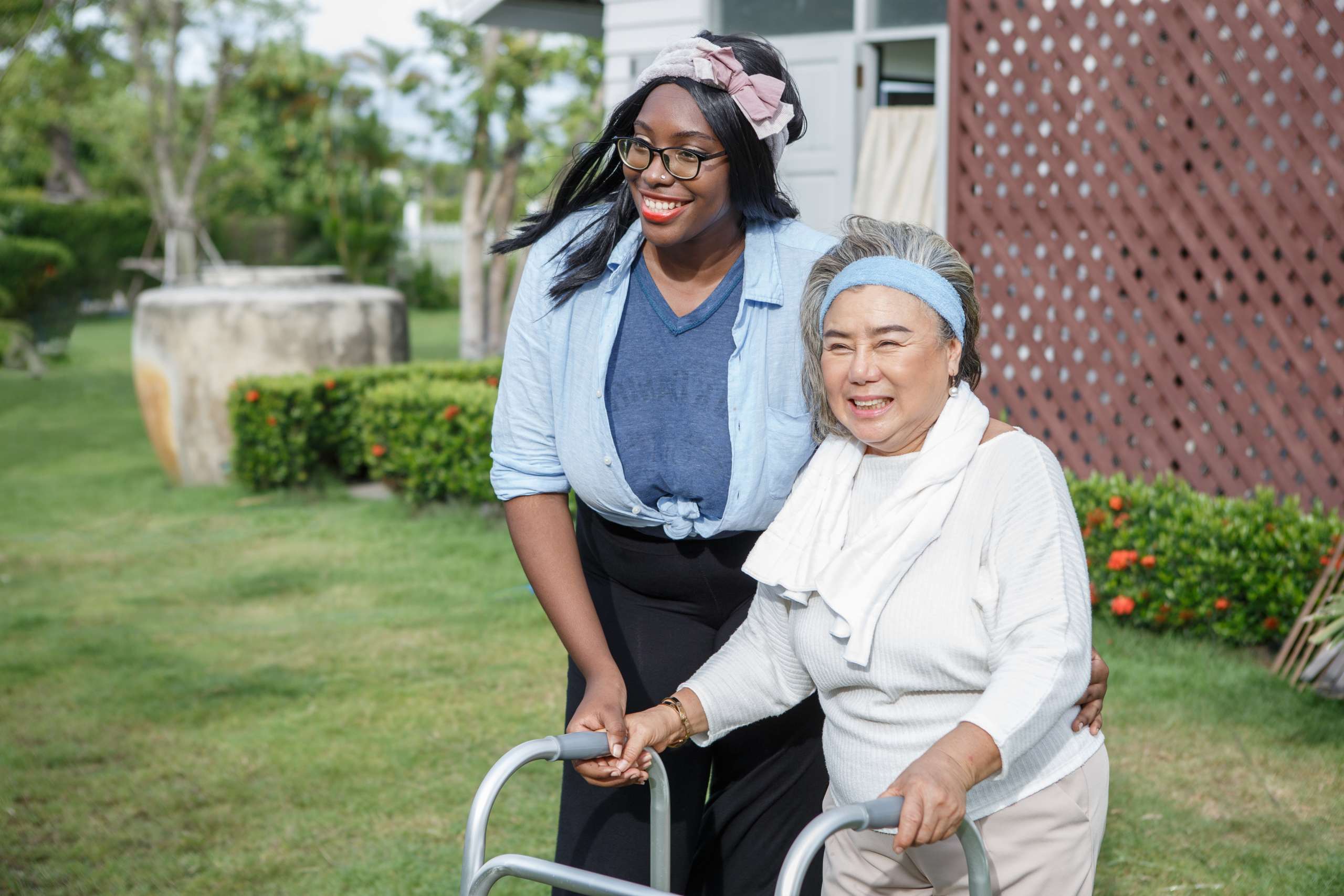



Best Practices for Home Health Care Safety in Texas


Home health care workers play a critical role in helping Texans stay safe and independent at home. But working inside private homes comes with real risk. From slips and falls to aggressive pets or unclear care plans, safety needs to be a daily priority for every home health care business operating in Texas.

Strong safety practices protect caregivers, clients, and the business itself. They also reduce claims, improve staff retention, and build trust with families. Below are best practices that Texas home health care providers can use to create safer home environments.
Start with a thorough home safety assessment
Every client’s home is different. Before care begins, agencies should assess the space for common hazards. This step helps prevent injuries and sets expectations with the client and family.
Key areas to review include:
- loose rugs, cords, or clutter that could cause falls
- poor lighting in hallways or bathrooms
- unsafe bathroom setups without grab bars
- pets that may pose a risk to caregivers
- smoking, oxygen use, or fire hazards
Documenting these risks helps caregivers prepare and gives the agency a clear record if concerns arise later.
Train caregivers on situational awareness
Training should go beyond clinical skills. Caregivers need practical guidance on staying safe inside unfamiliar homes.
Effective safety training covers:
- how to enter and exit homes safely
- what to do if a client becomes aggressive or confused
- when to leave a home and report concerns
- how to handle unsafe instructions from family members
Ongoing training reinforces that safety matters and helps reduce preventable incidents.
Use clear care plans and communication
Unclear care plans create risk. Caregivers should always know what tasks they are responsible for and what is outside the scope of their job.
Best practices include:
- written care plans accessible to caregivers, patients, and their families
- clear limits on lifting, transfers, and medical tasks
- a simple way to contact supervisors during visits
Strong communication reduces mistakes and helps caregivers feel supported rather than isolated.
Address transportation and travel risks
In Texas, long distances between client homes are common. Travel safety is often overlooked, yet it remains a major risk factor.
Agencies should:
- set realistic schedules that avoid rushing
- encourage breaks during long shifts
- require proof of a valid license and insurance when driving is part of the job
- offer guidance for driving during severe weather
Reducing travel stress helps caregivers stay focused and lowers the risk of accidents.
Protect caregivers with the right insurance coverage
Even with strong safety practices, accidents can still happen. Carrying proper coverage helps protect both the caregiver and the business when something goes wrong.
Having home health care service insurance helps cover claims related to injuries, property damage, or client allegations. It also reassures caregivers that they are not personally exposed if an incident occurs during their work.
Insurance is not just about compliance. It is part of a broader safety culture that shows your business takes responsibility seriously.
Follow Texas regulations and licensing rules
Texas has specific requirements for home care agencies, including licensing, training, and documentation standards. Staying compliant supports safety and reduces legal exposure.
Agencies should regularly review:
- Texas Health and Human Services guidelines
- staff credential and background check requirements
- incident reporting procedures
For new providers, understanding these rules early helps avoid costly mistakes. This guide to starting a home care business in Texas offers a helpful overview of licensing and setup considerations.
Encourage reporting without fear
Caregivers should feel safe reporting hazards or near misses. If workers fear blame, issues stay hidden until someone gets hurt.
Create simple reporting processes and respond quickly. Thank staff for raising concerns and focus on fixing problems, not assigning fault.
Safety builds trust and long term success
Home health care safety is not a one time checklist. It is an ongoing commitment that protects people and strengthens your business.
Agencies that invest in safety typically see better caregiver retention, fewer disruptions in care, and stronger relationships with clients and families. In a competitive Texas market, safety can be a real advantage.
With the right training, clear communication, and proper insurance protection, home health care providers can create safer homes for everyone involved.
© Copyright 2025 BizInsure LLC, 2015 ALL RIGHTS RESERVED BizInsure LLC; CA DBA: Simple, Smart, BizInsure Insurance Agency LLC; NY DBA: BizInsure Services LLC; NH DBA: Simple, Smart, BizInsure Insurance Agency; PA DBA: BizInsure Services LLC. 2950 Buskirk Ave Suite 300, Walnut Creek CA 94597. License #0H81929.