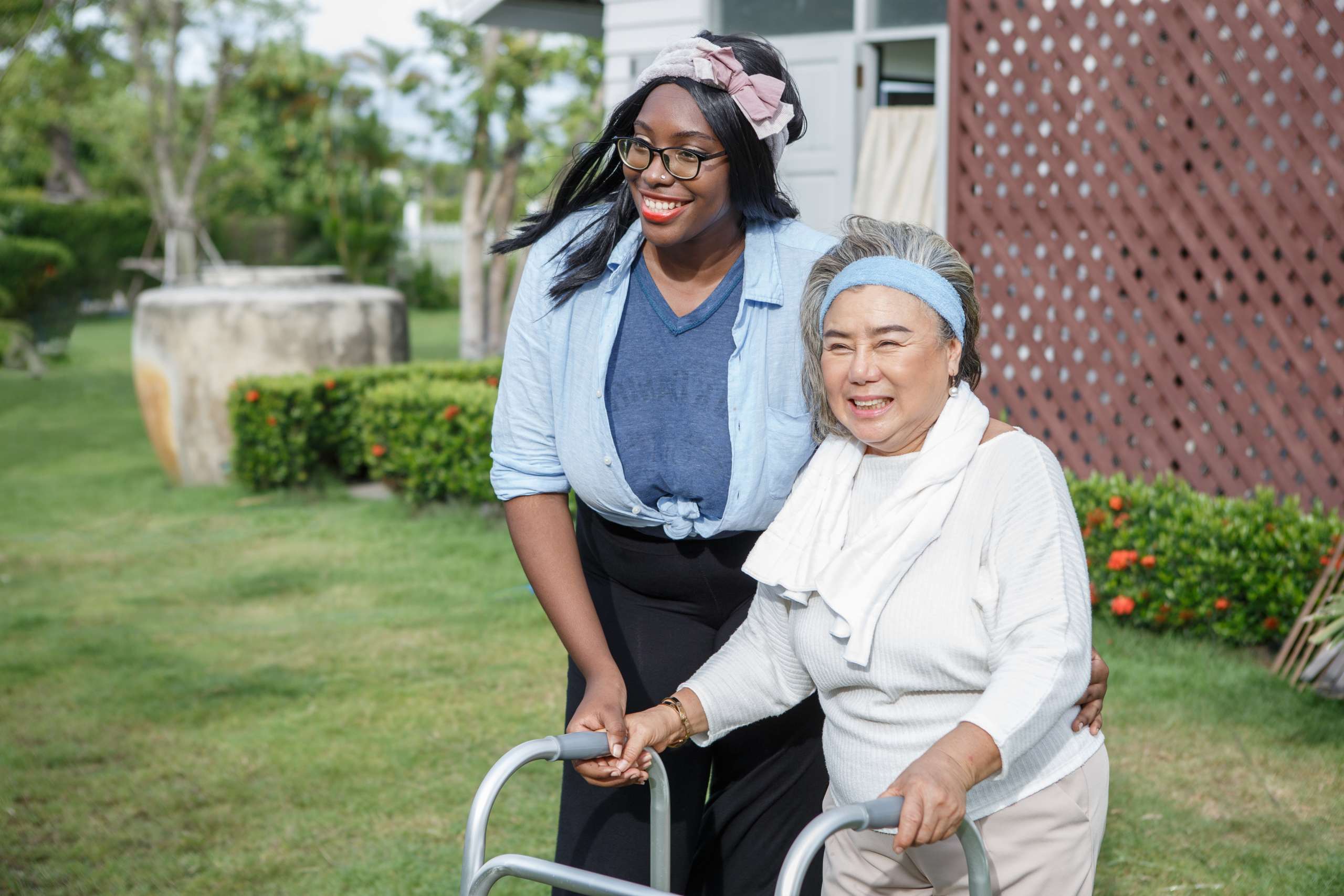



What are the characteristics of a good nursing assistant?


The nursing profession is a cornerstone of all healthcare systems. Nurses are responsible for providing direct patient care, helping patients recover, promoting health, and offering essential emotional and physical support. Nursing assistants, also known as Certified Nursing Assistants, play a vital role in the caregiving sector. Nursing assistants are under the supervision and guidance of licensed practical nurses or registered nurses. They assist patients with daily tasks such as bathing, dressing, mobility, and feeding.
Nursing assistants are often the first point of contact between patients and healthcare professionals. Their presence can significantly impact the patient’s comfort and the quality of care. With this direct contact comes a level of responsibility, making professional liability insurance a wise consideration for CNAs working in high-risk environments like rehabilitation centers or home-based care. This is especially true for professionals providing home health aide services or working in private residences.

The demand for nursing assistants is increasing as healthcare services become increasingly necessary, particularly in hospitals, aged care facilities, and rehabilitation centres. Although technical knowledge and certifications are essential components to success in this role, it is often personal qualities that define success. Here are five characteristics that make great nursing assistants.
1. Compassion and Empathy
Compassion is at the heart of all caregiving roles. Nursing assistants often work with individuals who are ill, recovering, elderly or have disabilities. They may be feeling vulnerable, afraid or frustrated. An attentive nursing assistant should show kindness and empathy to their patients by understanding and listening to what they are going through. For CNAs working in non-hospital settings, especially in private homes, compassion extends to managing both medical care and emotional reassurance. This is why many caregivers and home health care providers choose to carry professional insurance, offering added protection while supporting patients on a more personal level.
2. Strong communication skills
The nursing assistant plays a vital role in the medical team, serving as the link between the patient and the rest of the team. They must be able to report changes in the patient’s health, follow instructions accurately, and reassure patients and their family members about care procedures.
Effective communication is particularly important when collaborating with other healthcare professionals, including registered nurses, licensed practical nurses (LPNs/LVNs), and nurse practitioners. Clear communication helps ensure patients receive consistent, high-quality care.
3. Attention to detail
Even minor details in healthcare can significantly impact the quality of care. Attention to detail is crucial in many areas, including accurately recording vital signs and taking medications according to schedule, recognizing early warning signs such as discomfort or pressure ulcers, and accurately recording medical histories.
When errors occur—whether due to miscommunication or oversight—CNAs and healthcare providers may face legal consequences. This is one reason many healthcare professionals working in caregiving and home-based settings choose coverage designed for home healthcare professionals to help manage potential risks associated with their work.
4. Physical strength
Nursing assistants are on their feet for most of their shifts. They are often required to perform physically demanding tasks such as pushing wheelchairs or lifting patients into chairs and beds.
Nursing assistants can perform their duties more efficiently and safely if they are physically fit. This reduces the risk for both them and their patients. Maintaining energy levels is crucial to the well-being of CNAs during busy, prolonged shifts in care homes and rehabilitation facilities, and while supporting patients as in-home caregivers.
5. Patience and emotional resilience
Caring for others, especially those who are sick or elderly, can be emotionally draining. Nursing assistants must remain calm and professional, even when patients become nonverbal or confused, and provide adequate care.
CNAs must be emotionally resilient to provide respectful and safe care. Patience is about giving residents space and time to complete a task or repeat procedures without becoming frustrated.
6. Reliability
Nursing assistants are responsible for delivering high-quality, consistent care. A reliable nursing assistant is punctual, completes their tasks according to schedule and takes initiative when necessary. They are aware of their role in a larger healthcare group and take responsibility for everything, from hygiene practices to timely paperwork.
Reliability fosters trust among supervisors, coworkers, and patients. This creates an efficient environment for care.
7. Adaptability, willingness to learn and adaptability
The healthcare industry is constantly changing, as are the needs of patients. Nursing assistants must be able to adapt to changing conditions and schedules.
As their careers progress, individuals who are open to feedback and continue to learn often move into senior healthcare roles, including becoming nurses, registered nurses, LPNs/LVNs, nurse practitioners, or even specialists such as physical therapists.
Becoming a nursing assistant
CNAs have a rewarding career that has daily positive results. The demand for nursing assistants is expected to continue growing as the healthcare needs of aging populations and the care requirements of these populations increase. CNAs with compassion, resilience, and professionalism are more likely than others to be hired, feel more fulfilled in their role, and enjoy a more fulfilling personal life.
CNAs often pursue additional education to become nurses, healthcare administrators, or other healthcare professionals. Nursing assistants who master the qualities listed above will have a strong foundation for a long-term career in healthcare. Whether working in hospitals, rehabilitation centres, adult day care facilities, or providing care as home health care providers, nursing assistants who embody these traits can make a significant difference in the lives they serve.
© Copyright 2025 BizInsure LLC, 2015 ALL RIGHTS RESERVED BizInsure LLC; CA DBA: Simple, Smart, BizInsure Insurance Agency LLC; NY DBA: BizInsure Services LLC; NH DBA: Simple, Smart, BizInsure Insurance Agency; PA DBA: BizInsure Services LLC. 2950 Buskirk Ave Suite 300, Walnut Creek CA 94597. License #0H81929
© Copyright 2025 BizInsure LLC, 2015 ALL RIGHTS RESERVED BizInsure LLC; CA DBA: Simple, Smart, BizInsure Insurance Agency LLC; NY DBA: BizInsure Services LLC; NH DBA: Simple, Smart, BizInsure Insurance Agency; PA DBA: BizInsure Services LLC. 2950 Buskirk Ave Suite 300, Walnut Creek CA 94597. License #0H81929.