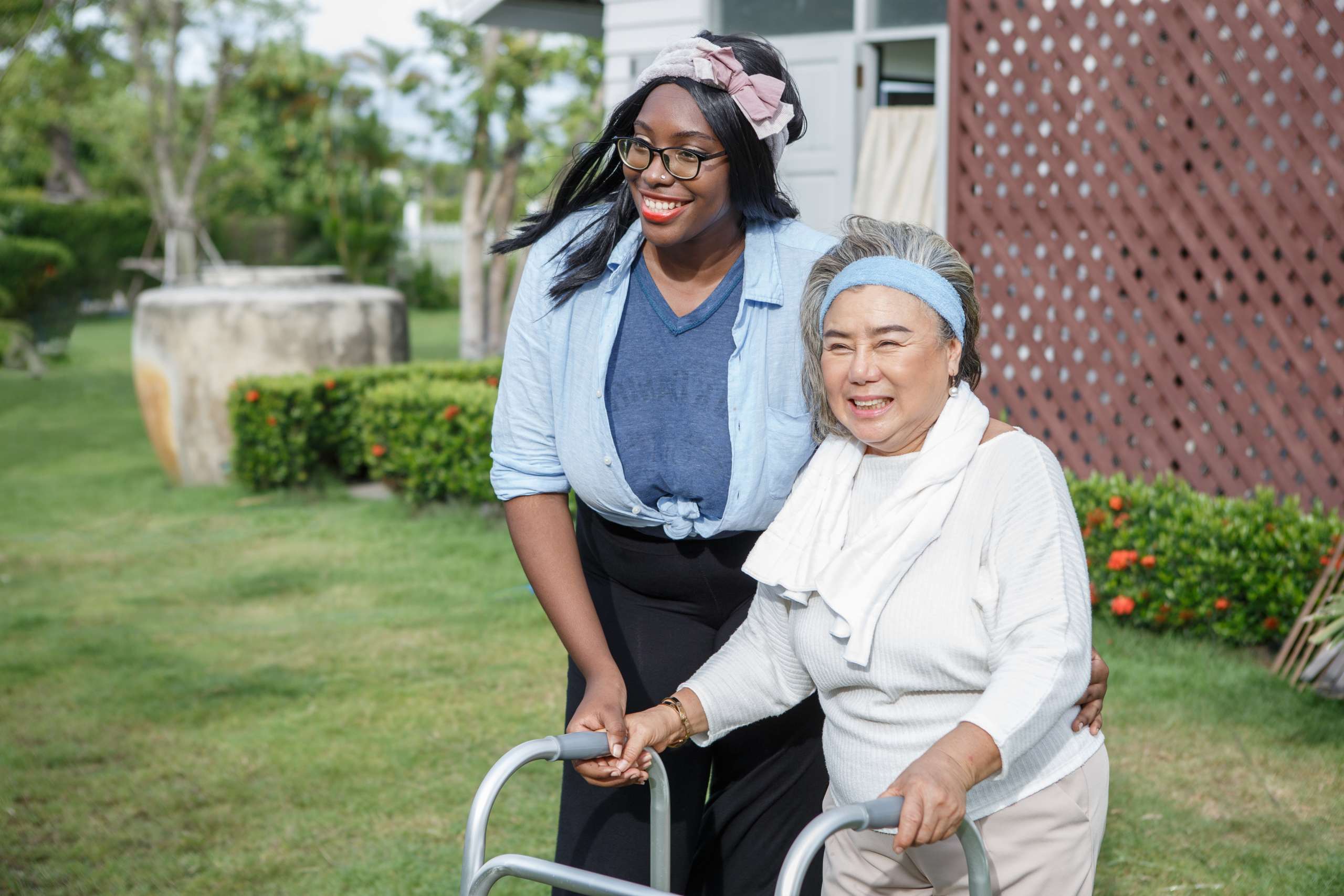



Best training programs for home health aides in Texas


Quality training is one of the most important parts of building a strong home health care workforce. In Texas, home health aides must meet state requirements while also developing practical skills that prepare them for real world care.
Below is a look at some of the best training options available for home health aides in Texas and what makes them valuable.

Why choose an approved program
Texas Health and Human Services oversees standards for home health aide training. Many approved programs are offered through community colleges, vocational schools, and licensed training providers.
These programs usually cover:
- basic patient care and safety
- infection control
- communication and professionalism
- assisting with daily living activities
Completing a state-approved program helps aides meet employer expectations and prepares them for work in regulated settings.
Approved training options for Texas home health aides
Aspiring home health aides can choose from a variety of training options to help kick start their career:
Community colleges across Texas
Community colleges are a popular option for home health aide training. They offer structured courses at a lower cost than many private programs.
Benefits include:
- experienced instructors
- hands on practice
- clear alignment with state guidelines
Many colleges also offer flexible schedules, which help working students balance training with other responsibilities.
Vocational and career training schools
Private vocational schools provide focused home health aide programs designed for faster completion. These programs often emphasize practical skills and job readiness.
Some schools also help with job placement after completion, which can be helpful for new aides entering the field.
Before enrolling, it is important to confirm the program meets Texas standards and is recognized by local employers.
Employer-based training programs
Some home health agencies in Texas provide their own training for new hires. These programs are tailored to the agency’s policies and the types of clients they serve.
Employer-based training may include:
- shadowing experienced caregivers
- agency specific safety procedures
- documentation and reporting standards
This type of training helps aides transition quickly into active roles while learning on the job.
Online and hybrid learning options
Online and hybrid programs have become more common. These options work well for aides who need flexible schedules.
Most programs combine online coursework with in-person skills training. This ensures aides still receive hands-on instruction while completing theory at their own pace.
Understanding risk and responsibility
Training does not stop at care skills. Home health aides also need to understand workplace risks and professional responsibility.
Many agencies educate aides on safety practices and the importance of protection, such as home health aide liability insurance. This knowledge helps aides work with confidence and understand how risks are managed in home care settings.
Freelance or independent home health aide are responsible for developing their own safety standards and choosing business insurance that fits their individual needs.
Choosing the right program
The best training program for home health aides depends on individual personal goals, schedule, and budget. When comparing options, look for programs that:
- meet Texas requirements
- offer hands-on experience
- has a good reputation with employers
Strong training helps home health aides provide safe care and build long-term careers.
Training up Texas’ home health aides
Texas offers many solid training options for home health aides. From community colleges to employer based programs, each path supports skill development and job readiness.
With the right training, home health aides are better prepared to deliver quality care while navigating the responsibilities that come with the role.
© Copyright 2025 BizInsure LLC, 2015 ALL RIGHTS RESERVED BizInsure LLC; CA DBA: Simple, Smart, BizInsure Insurance Agency LLC; NY DBA: BizInsure Services LLC; NH DBA: Simple, Smart, BizInsure Insurance Agency; PA DBA: BizInsure Services LLC. 2950 Buskirk Ave Suite 300, Walnut Creek CA 94597. License #0H81929.