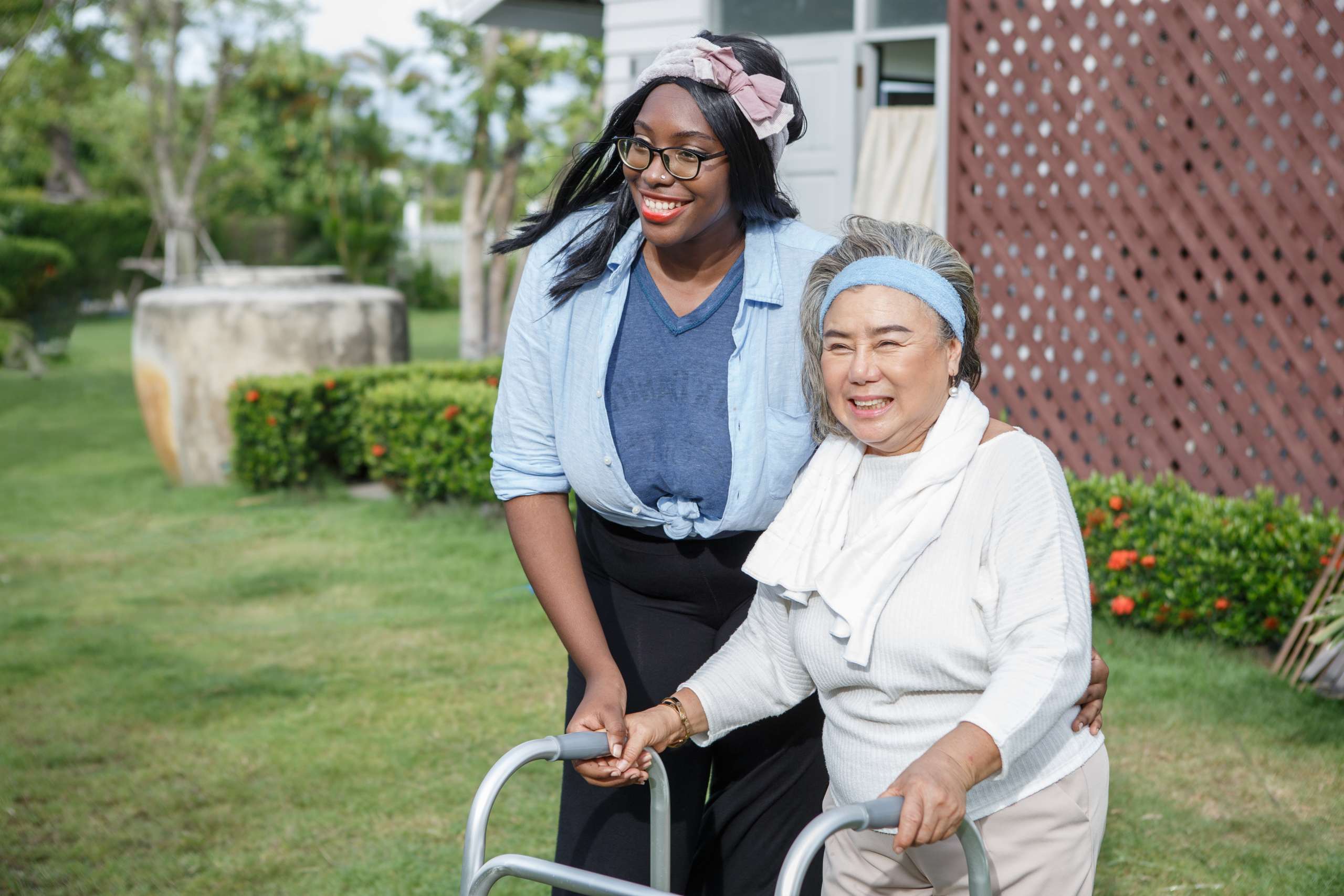



Can you become a nurse online?


Online learning has transformed education, providing accessibility and flexibility for returning students and remote learners. Online nursing programs are extremely popular in the United States, with nearly 50% of nursing students enrolled in online classes.

Nursing students can complete a large portion of their education online. However, all nursing programs still require hands on clinical training. Online learning mainly covers theory, while in person sessions focus on patient care skills.
Understanding this balance can help you plan your education more effectively.
Is it possible to complete all nursing education online?
No. While you can complete some requirements online, you cannot become a licensed nurse without completing in-person clinical hours. Every state requires hands on training as part of the licensing process.
Online programs focus on theoretical instruction. Clinical hours are completed at approved healthcare facilities, where students demonstrate skills such as patient assessment, documentation, and medication administration.
Many programs use a blended format. This often includes:
- online theory coursework
- in person labs and simulations
- clinical placements at healthcare sites
Some schools arrange clinical placements. Others require students to secure their own placement.
Associate Degree in Nursing and Bachelor of Science in Nursing programs may both offer online coursework. Practical Nurse programs can also include online learning, but clinical hours are still required.
Accreditation is an important factor. Recognized accrediting bodies help confirm whether a program meets national education standards.
What types of nursing classes are held online?
Many nursing programs allow students to complete core academic classes online. These classes often include science, theory, and general education subjects.
Online coursework may cover:
- anatomy and physiology
- microbiology and chemistry
- nursing theory and ethics
- patient communication and documentation
- general education courses such as English or math
Some programs use virtual simulations to support learning. These tools help students prepare for clinical settings, but they do not replace direct patient care.
Online learning offers scheduling flexibility, which can be helpful for students balancing work or family responsibilities. Coursework still requires consistent study and time management.
What prerequisite classes are needed for nursing programs?
Most nursing programs require prerequisite courses before admission. These classes prepare students for both academic and clinical work.
Common prerequisites include:
- human anatomy and physiology, often with a lab
- microbiology, often with a lab
- general chemistry
- nutrition
- psychology
- statistics or college level math
- English composition
Requirements vary by school and state. Program websites usually list current prerequisites. Admissions advisors can also review transcripts to confirm transfer eligibility.
If you completed these courses in another program, they may transfer if they meet grade and time requirements.
Insurance considerations for nurses working independently
Many nurses work as employees, but some work as independent contractors, travel nurses, or private caregivers. Nurses in these roles may need to review their insurance needs.
Coverage considerations may include:
- Professional Liability insurance for claims related to nursing services
- General Liability insurance for third party injury or property damage, depending on the work setting
- Business Owner’s Policy for equipment used in independent practice
Coverage needs depend on how and where nursing services are provided.
Final thoughts
You can complete much of your nursing education online, including theory courses and prerequisites. In-person clinical training is still required for licensure in every state.
Online programs can offer flexibility while preparing for hands on care. Planning ahead, checking accreditation, and understanding clinical requirements can help avoid setbacks.
If you plan to work outside a traditional employment setting, reviewing appropriate insurance coverage may also be part of your preparation.
© Copyright 2025 BizInsure LLC, 2015 ALL RIGHTS RESERVED BizInsure LLC; CA DBA: Simple, Smart, BizInsure Insurance Agency LLC; NY DBA: BizInsure Services LLC; NH DBA: Simple, Smart, BizInsure Insurance Agency; PA DBA: BizInsure Services LLC. 2950 Buskirk Ave Suite 300, Walnut Creek CA 94597. License #0H81929.