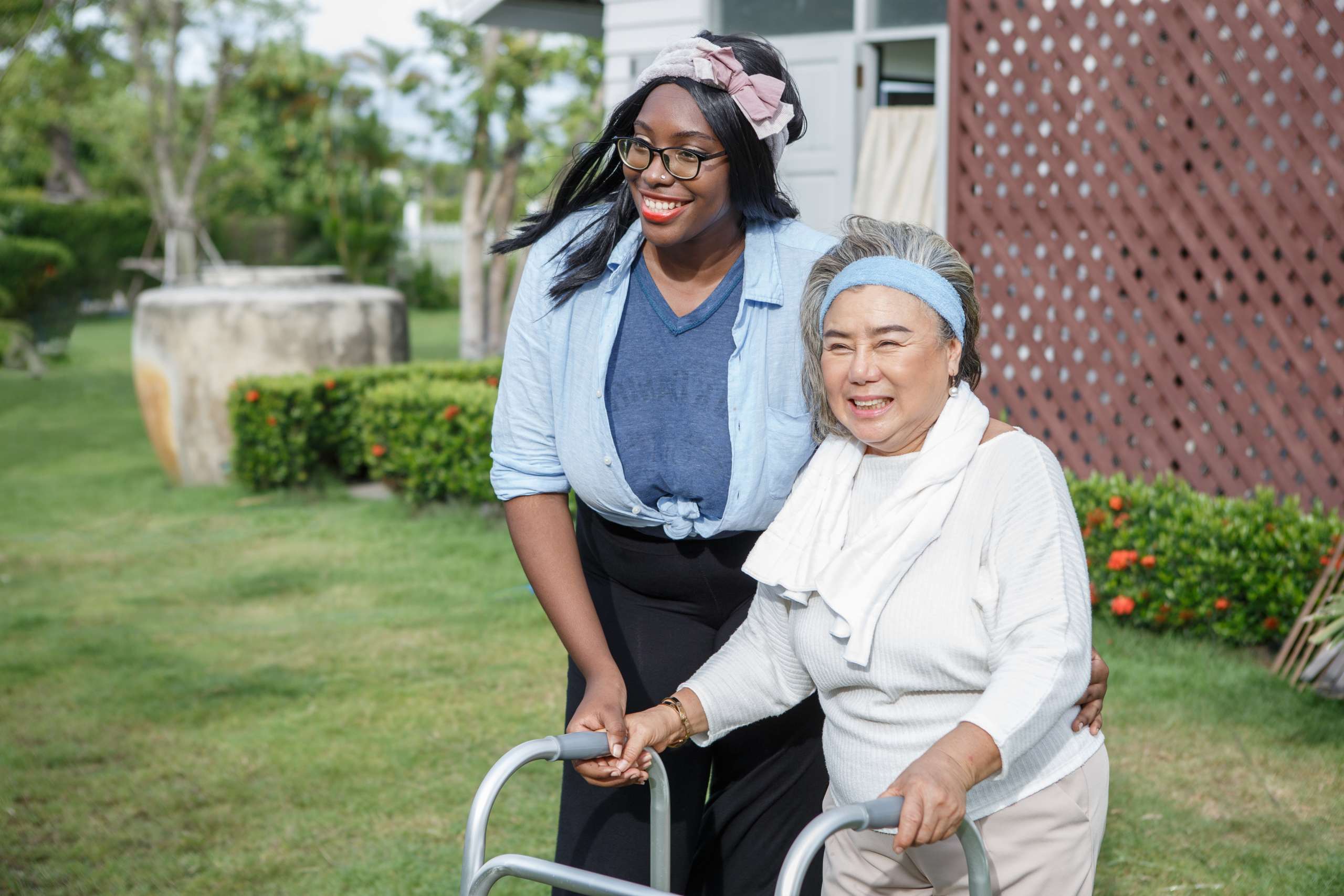



Caregiver Guide: Dos and Don’ts for Caregivers



If you’re working as a caregiver to an elderly individual or someone with special needs, you hold a very important position due to the difference you can make in their lives.
In this caregiver guide, we look at some of the dos and don’ts of caring for others.
Don’t: Make assumptions
Because the person you provide care to may have a condition or living situation that you’ve worked with before, you may be tempted to make broad assumptions about what the other person needs or wants. Instead of making assumptions, consider having open talks with them about their requirements and how they would prefer to receive your assistance.
Do: Ask permission before administering care
It’s critical to consider how you can assist and what could be required. Before touching or adjusting an assistive device or assisting with more personal duties like bathing, it’s important to get permission. Even if you’ve known the person you are providing the care to for a long time, it’s better to ask what they need instead of expecting the same answer every time. Follow the lead of the individual receiving the care. Getting consent first also protects you professionally, because personal care tasks like bathing or moving a client are where misunderstandings and injury claims can arise, and in-home caregiver insurance can help cover the costs if a client or their family makes a claim.
Don’t: Expect the same thing every day
Caring for others can be unpredictable, even with a regular care schedule and routine in place. It’s possible that you or your patient could have a bad day, or that plans change at the last minute. Consider contingency planning and maintain flexibility in your care. Patience and empathy are important parts of caregiving, and they can make a big difference for the person you care for.
Do: Go with the flow
Because we can’t predict the future and things can change from day to day, or even hour to hour, try to enjoy the present moment. Even if the situation is trying, it will pass. If you’re having a good day, savor it, and remember it the next time you have a day that doesn’t feel nearly so good.
Don’t: Overwork yourself to the point of burnout
Feeling overwhelmed, stressed, impatient, furious, easily frustrated, and emotionally and physically exhausted are common all signs of burnout. Burnout can occur suddenly or gradually. Burnout symptoms aren’t always obvious right away, which means things can deteriorate quickly. It’s critical to exercise self-care and to have a stress outlet to tap into when you’re away from the person who you provide care to.
Do: Remember to take care of yourself
As a caretaker, it’s natural to feel frustrated or unmotivated in your job from time to time. If you’re experiencing these burnout symptoms, it’s critical that you seek further help for yourself, as well as ensuring that your patient gets the help they need when they need it. Don’t withhold care because you don’t feel like it or because you’re disappointed or unhappy about anything else that happened during your day. Everyone has the right to decency, dignity, and respect. It might be time to take a vacation so you can relax and recharge or speak with your employer about finding a temporary replacement to care for your patient.
Do: Maintain open communication
Communication is essential in every relationship, but it is especially important in caring. Follow the lead of the individual receiving care to ensure that they are respected and that their limits are honored. Open discussions regarding caregiver responsibilities can help clear up any ambiguity about the type of care that is anticipated or what you are able to deliver as a carer. Caregiving is a collaborative effort, and unresolved concerns can breed animosity. Collaborate to resolve any concerns that may arise.
Another way you can take care of yourself is with business insurance for your home health care provider business. BizInsure makes comparing business insurance quick and easy. Compare caregiver quotes and buy in minutes today!
© Copyright 2025 BizInsure LLC, 2015 ALL RIGHTS RESERVED BizInsure LLC; CA DBA: Simple, Smart, BizInsure Insurance Agency LLC; NY DBA: BizInsure Services LLC; NH DBA: Simple, Smart, BizInsure Insurance Agency; PA DBA: BizInsure Services LLC. 2950 Buskirk Ave Suite 300, Walnut Creek CA 94597. License #0H81929.