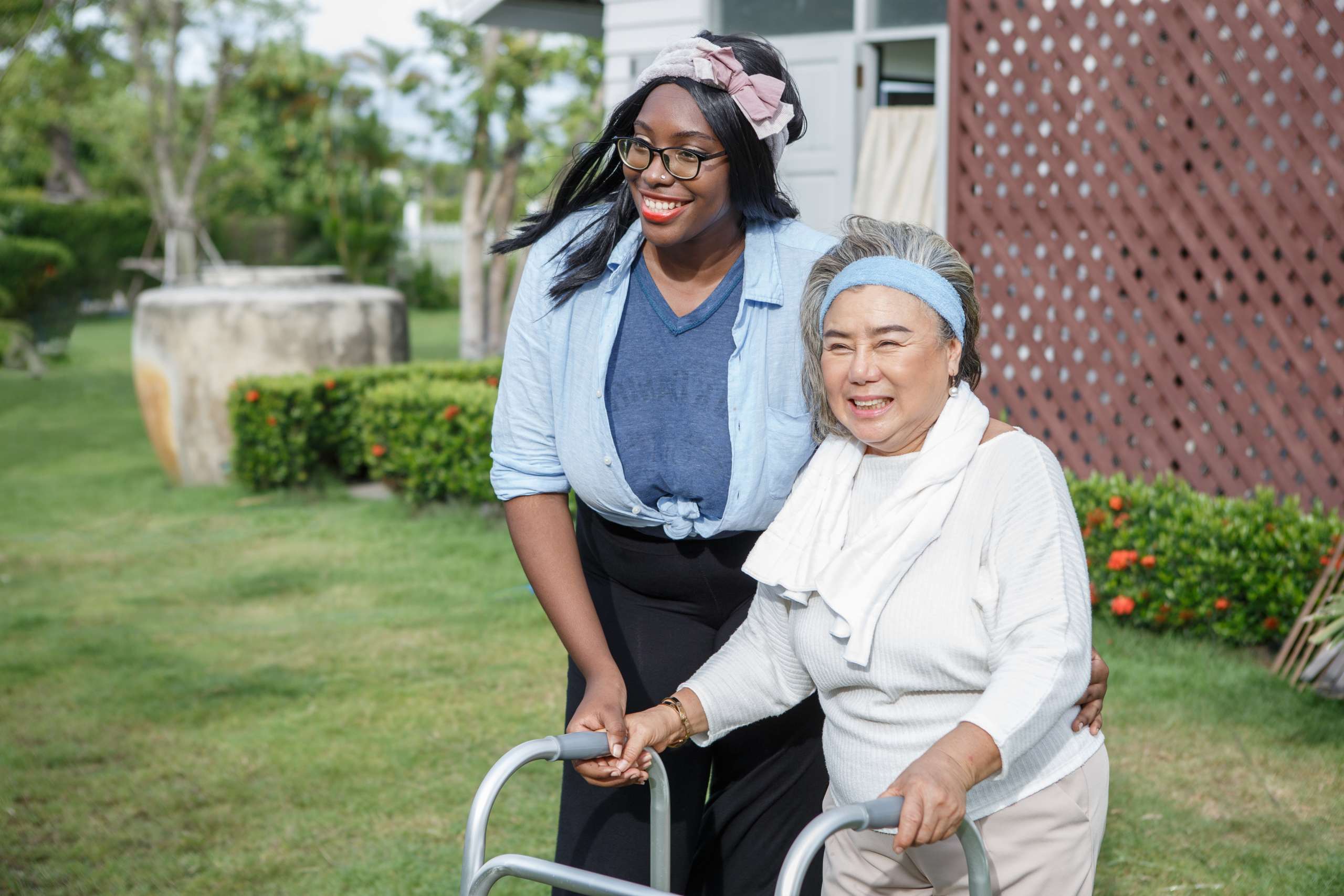



First steps for new caregivers: Doing a health assessment for your client


As a professional caregiver, you may provide non-medical assistance to older clients. Having the right support and insurance for in-home caregivers can also be an important part of protecting yourself while providing care services. One way you could help is by doing a senior health assessment whenever you take on a new patient. Home health assessments can help you understand each client’s needs, find ways to improve their living situation, and help you do your job better.

Here are some tips to help you create health assessments.
Understand the patient’s concerns
Many older patients need help in their daily lives. However, they may also be resistant to the idea. It can be hard for people to ask for help, and many people fear losing their independence as they age. It can also be scary inviting a stranger into your home to help with very personal activities.
Your home health assessment should begin by building a rapport with your client. This can help you get a sense of how they are feeling about their health, understand their concerns and work out ways to lessen these together. You may also want to speak with family members and close friends who are also involved in your client’s care.
Do a home walkthrough
An in-home care assessment should also evaluate the client’s home with their health and mobility in mind. You might be able to make recommendations to improve their safety and mobility now and into the future.
Changes you might suggest to a new client include:
- Adding ramps to entryways to help avoid falling
- Installing a chairlift to make reaching the second floor safer
- Moving frequently used items from high cupboards to lower ones
- Widening doors to accommodate a wheelchair
- Installing smart devices with voice controls
- Using a shower chair when bathing
Get a medication list
Part of your role as a caregiver may be to remind your patient when to take their medications. You might also want to check that they are taking the correct dosage prescribed by their doctor. Getting an updated medication list could help you manage your patient’s schedule. This may also include being home at a certain time so a certified nursing assistant (CNA) or home health aide (HHA) can administer medication shots. Professionals who provide these services may consider home health aide insurance to help protect against common risks that can happen while caring for patients in their homes.
Join them during doctor appointments
If your client is willing, it may help to accompany them to some doctor appointments. It might be useful to hear the doctor’s instructions firsthand, particularly when it comes to medication changes, nutrition, and exercise.
Consider their mental health
While you may be there to help with everyday living tasks and tracking their physical health, you may also be tasked with helping maintain their mental health too. Your home health assessment might include questions about the client’s mental wellbeing.
Questions you may ask include:
- How many close friends or family members do you see regularly?
- Are you part of any social clubs or organizations?
- Do you visit a mental health professional?
- What hobbies do you enjoy? How often do you participate in them?
Helping seniors stay at home
Learning how to care for older patients is an important part of being a professional caregiver. A senior health assessment could help you address the unique needs of your patients, so you can provide the best care possible. Along with following best practices for client care, having suitable home healthcare insurance may help protect professionals and businesses that provide services in clients’ homes.
© Copyright 2024 BizInsure LLC, 2015 ALL RIGHTS RESERVED BizInsure LLC; CA DBA: Simple, Smart, BizInsure Insurance Agency LLC; NY DBA: BizInsure Services LLC; NH DBA: Simple, Smart, BizInsure Insurance Agency; PA DBA: BizInsure Services LLC. 2950 Buskirk Ave Suite 300, Walnut Creek CA 94597. License #0H81929
© Copyright 2025 BizInsure LLC, 2015 ALL RIGHTS RESERVED BizInsure LLC; CA DBA: Simple, Smart, BizInsure Insurance Agency LLC; NY DBA: BizInsure Services LLC; NH DBA: Simple, Smart, BizInsure Insurance Agency; PA DBA: BizInsure Services LLC. 2950 Buskirk Ave Suite 300, Walnut Creek CA 94597. License #0H81929.