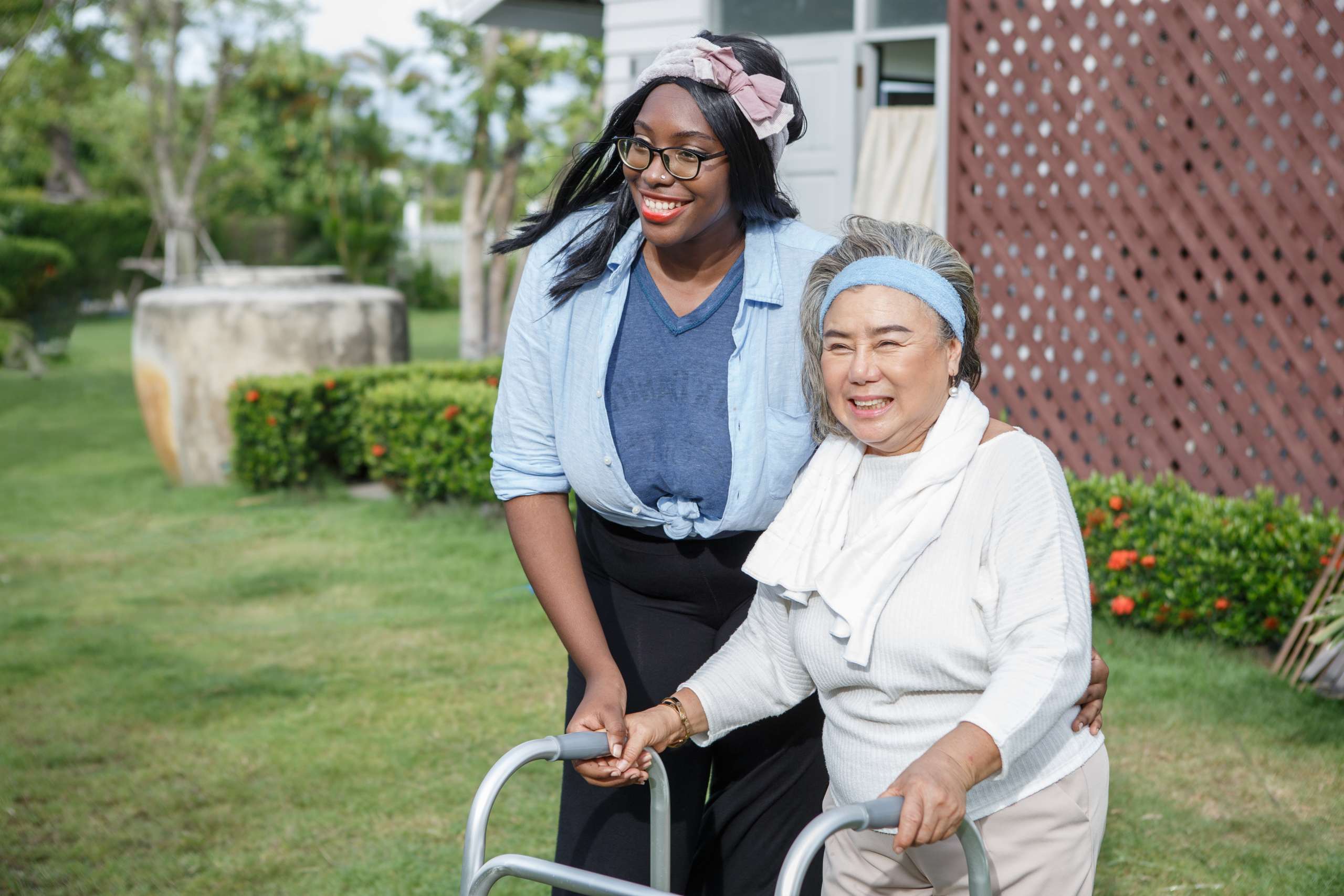



Common liability risks for home health care providers in California


Home health care providers in California face liability risks that are different from facility-based care. These home health services take place in private homes; caregivers work independently, and clients are often elderly or medically fragile. These conditions may increase the risk of claims, even when care is provided correctly.

Slip, fall, and injury claims
Patient injuries are one of the most common risks in home health care. Caregivers work in environments they do not control, such as cluttered homes, loose rugs, poor lighting, or uneven flooring. A client or family member may be injured during a visit, leading to allegations that the caregiver failed to maintain a safe environment. These claims often fall under General Liability insurance.
Care errors and negligence allegations
Professional Liability risks arise from allegations that care caused harm or failed to meet expectations. Common examples include improper assistance during transfers, failure to follow a care plan, missed symptoms, or documentation errors. Even non-medical caregivers can face negligence claims if a client believes their services contributed to an injury or decline in health.
Employee injury exposure
Home health work is physically demanding. Lifting, transferring, and assisting clients can lead to back injuries, strains, slips, and falls. In California, Workers’ Compensation insurance is required even if a provider employs only one caregiver, according to the California Department of Industrial Relations. Claims can be costly due to medical treatment and lost wage benefits.
Abuse and neglect allegations
Home health providers face a heightened risk of abuse or neglect allegations because care is delivered one-on-one behind closed doors. Claims may involve physical, emotional, or financial misconduct. Even when allegations are unfounded, investigations and legal defense can be expensive and disruptive. This risk affects individual caregivers, contractors, and agencies alike.
Property damage claims
Caregivers often move equipment, assist with mobility devices, or perform light household tasks. Accidental damage to furniture, flooring, appliances, or medical equipment can result in property damage claims. These incidents are common in home settings and can lead to disputes with clients or family members.
Data privacy and information security risks
Many home health providers store or transmit client information through electronic records, billing systems, or email. Lost devices, hacked accounts, or misdirected messages can expose sensitive data. Providers that handle protected health information must follow HIPAA requirements, as outlined by the U.S. Department of Health and Human Services. Cyber incidents can trigger notification obligations, legal costs, and reputational damage.
Contract and compliance related risks
California licensing and compliance requirements also create liability exposure. Medical home health agencies must be licensed by the California Department of Public Health, while non medical home care providers fall under the California Department of Social Services Home Care Services framework. Operating outside licensing rules or carrying insufficient insurance can lead to denied claims, fines, or loss of contracts.
Transportation related risks
Transportation risks arise when caregivers drive between client homes or transport clients to appointments. Accidents can occur while assisting a client in or out of a vehicle, securing mobility devices, or during travel itself. These incidents can lead to bodily injury claims, auto related liability disputes, and questions about whether personal or business insurance applies at the time of the accident.
Why managing liability risk is important
Liability claims do not depend on intent or experience. Routine care tasks can lead to allegations, and defense costs alone can be significant. Proper insurance coverage helps home health care providers manage these risks, protect income, and continue operating in a highly regulated California environment. Understanding common liability exposures is the first step toward choosing coverage that fits how care is actually delivered.
How to mitigate Home Care Service Liability risks
Minimizing liability starts with clear care procedures and consistent training. Caregivers should follow documented care plans, use proper transfer techniques, and avoid tasks outside their scope of work. Limit medication assistance to authorized duties, with clear documentation and verification processes in place.
Getting appropriate Liability insurance designed for California home care provides a safety net by helping cover legal defense and claim costs when incidents still occur.
© Copyright 2025 BizInsure LLC, 2015 ALL RIGHTS RESERVED BizInsure LLC; CA DBA: Simple, Smart, BizInsure Insurance Agency LLC; NY DBA: BizInsure Services LLC; NH DBA: Simple, Smart, BizInsure Insurance Agency; PA DBA: BizInsure Services LLC. 2950 Buskirk Ave Suite 300, Walnut Creek CA 94597. License #0H81929.