

10 Skills Needed for a Job in Home Health Aide


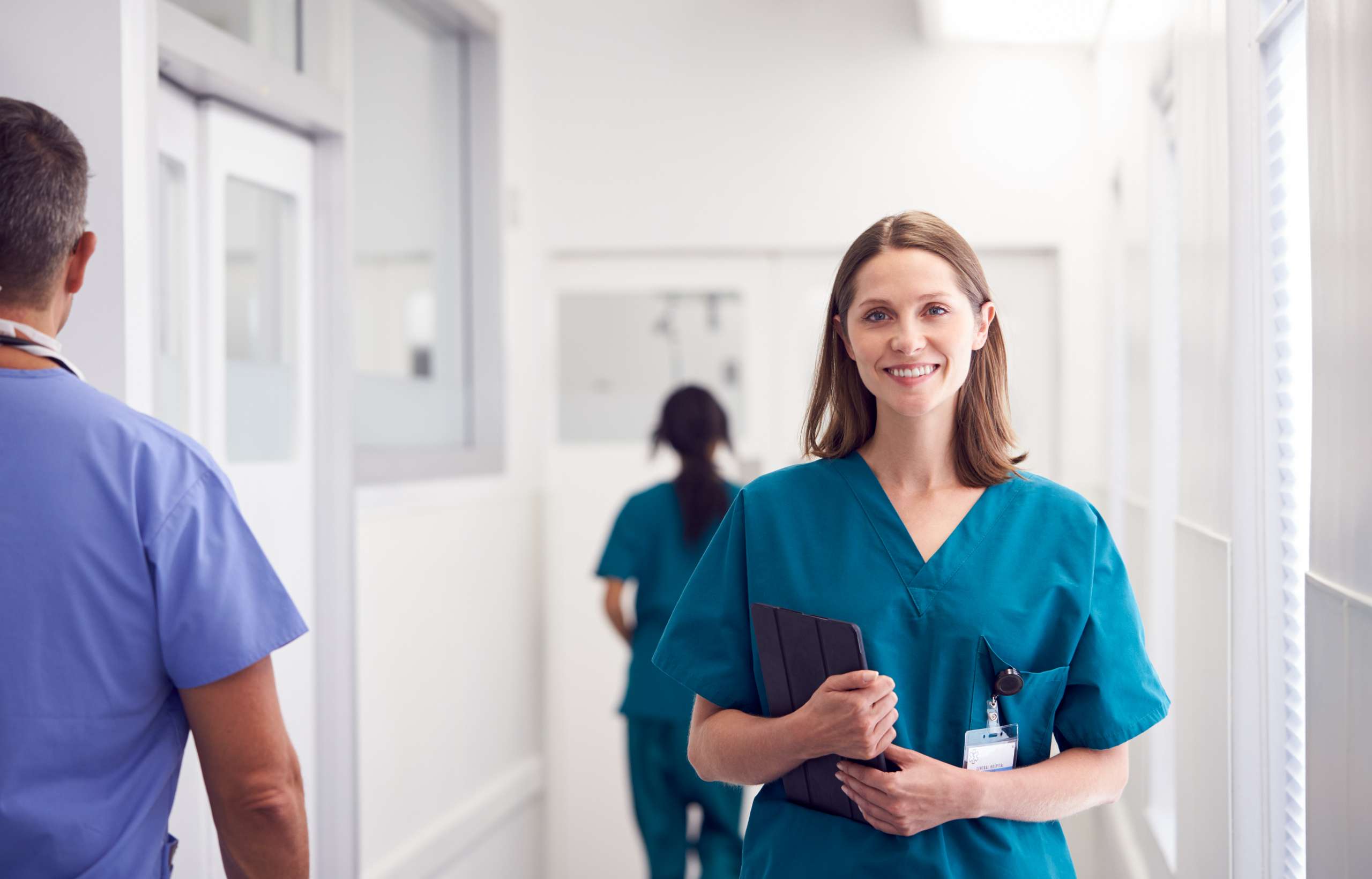
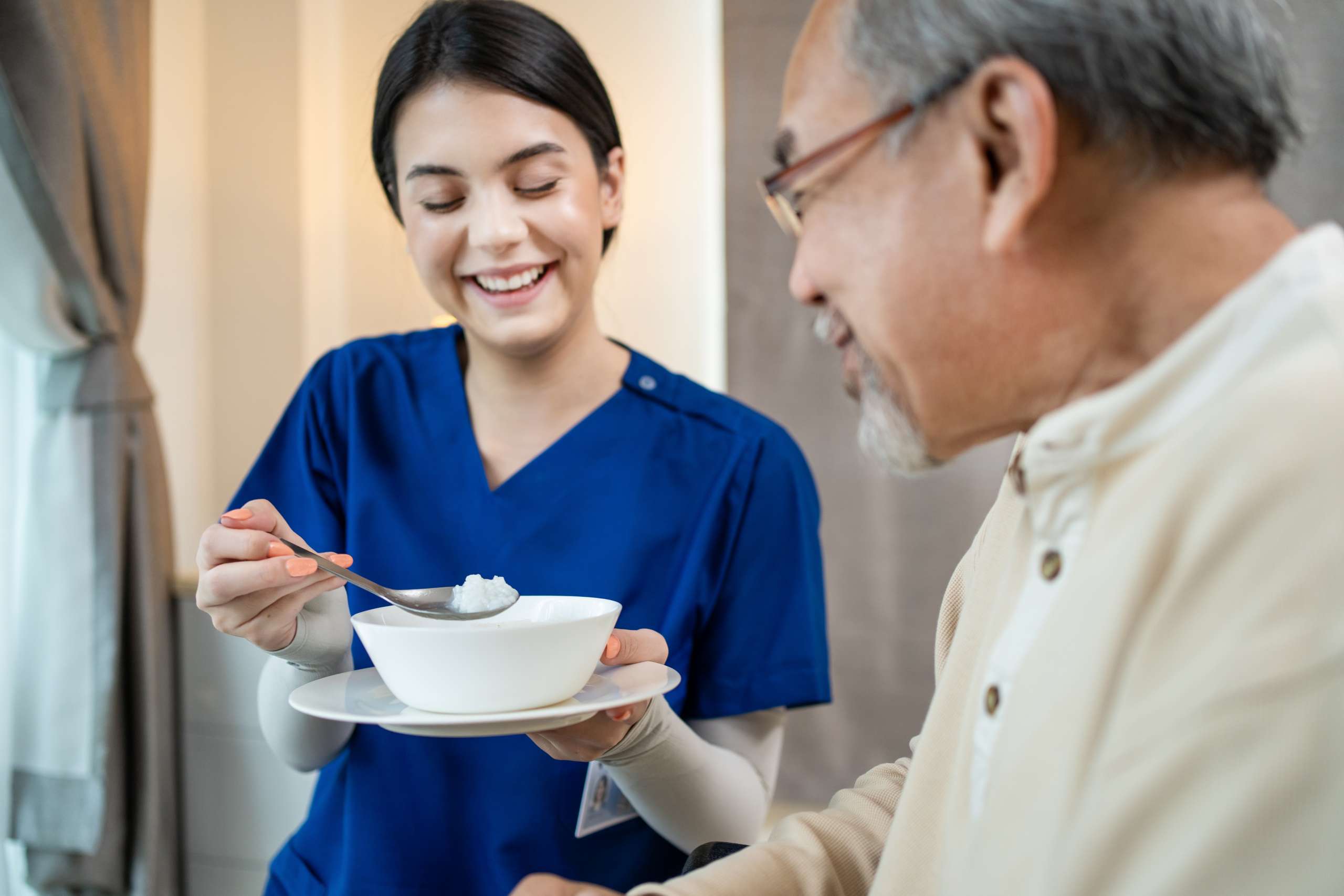
Becoming a home health aide takes time and commitment. It usually necessitates some type of higher education, such as a college diploma, a high school diploma along with specialized training, or a combination of all three. For some, completing the coursework might be costly, but the rewards of being a home health aide frequently surpass the expense and training time.
Once you’ve completed your training, you’ll need to focus on honing specific abilities for home health aides. A successful home health aide is more than just someone with medical knowledge. They are often a patient’s primary carer, their link to the outside world, and a trusted confidant. This means that you’ll need more than just classroom skills to be effective in your job.
Here are 10 skills that successful home health aides typically have.
1. Ability to organize your time
One of the most important skills as a home health aide is time management. You’re caring for another person in many ways, so being on time and spending your time properly is critical to sustaining both a pleasant work life and a happy client. It’s crucial to keep in mind that being late as a home health aide might have major consequences.
2. Paying attention to the details
It’s possible that paying attention to even the tiniest details may help you keep your patient healthy. Small shifts in behavior or attitude might signal something more serious. Paying attention to the finer points is not only essential, but it could be lifesaving.
3. Communication abilities
Home health aides deal with another human person daily, frequently for hours at a time. You must be able to empathize with them and connect with them in a way that is healthy (for both of you) and courteous. Because home health aides frequently assist patients who cannot care for themselves, it is critical that you treat them with dignity and respect. You may also be their link to doctors and other medical specialists, so being able to communicate with many types of personalities is helpful.
4. An optimistic outlook
Sometimes, your work as a caregiver might be difficult and thankless. You may also find it difficult to switch off after work. Even if things aren’t going as smoothly as you’d like, try to retain a good attitude. Keeping your job and personal lives separate could help prevent everything from getting on top of you.
5. Physical endurance
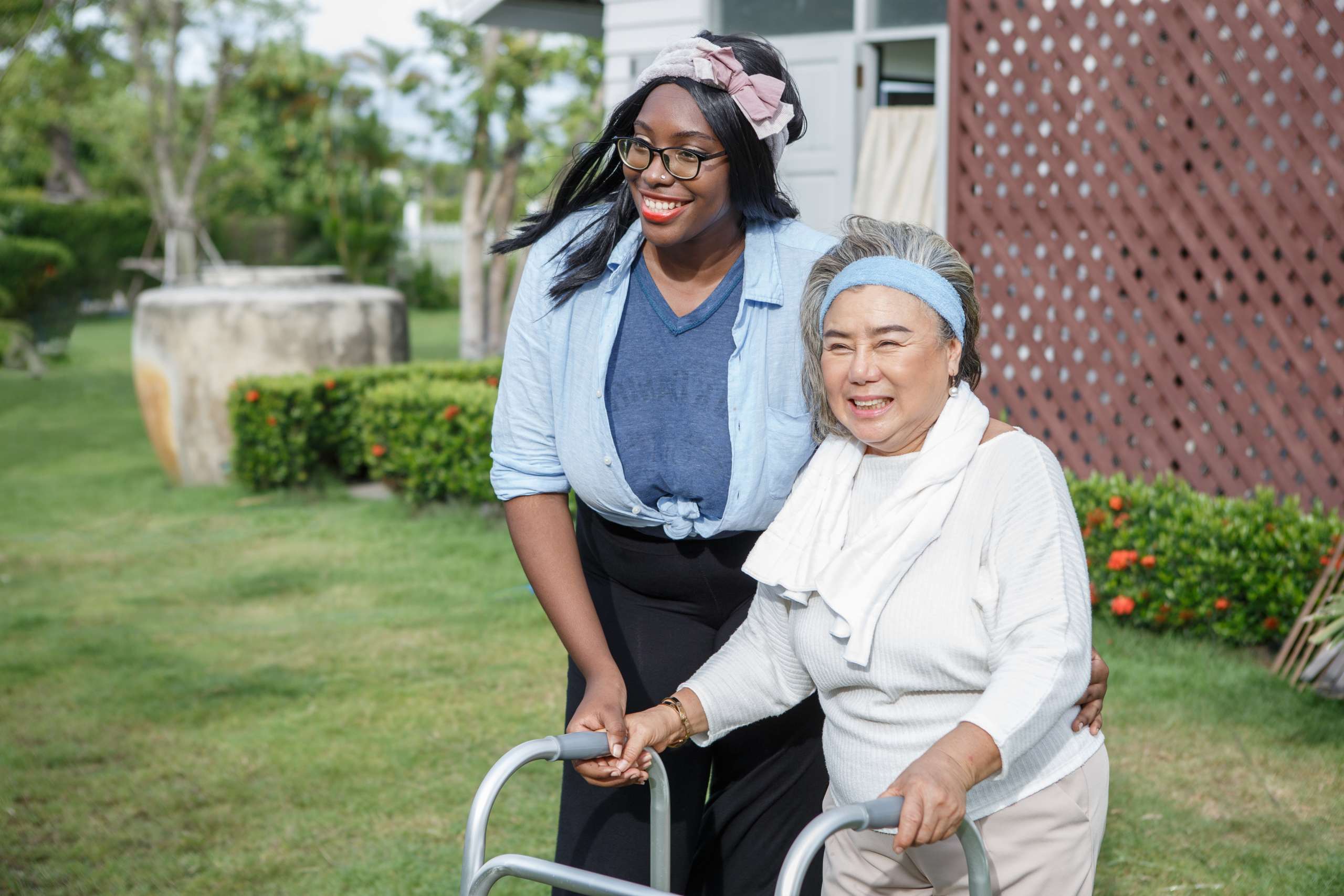
You may need to move your patient at times, or they may ask you to move furniture or other heavy things around their home. Physical strength is always beneficial, but stamina is also an important quality to have when you’re always on the move. Going to the gym on weekends or going for morning jogs could help you improve your strength and stamina.
6. Patience
It might be difficult to have some space or take a break when you’re with your patient every day. Even if you’re suddenly feeling the strain of continually being around another individual, being patient with the person you are caring for will help you keep calm and cool.
7. Medical knowledge
You wouldn’t have gotten this position if you weren’t skilled or knowledgeable. However, staying current and completing refresher courses might help you obtain higher-paying work in the future. Consider renewing your education from time to time to be prepared for changes that may occur.
8. Tidiness
Because home health aides sometimes live with their patients, keeping yourself and your surroundings clean is not only courteous, but also necessary for your patient’s health. Even if you don’t live with them, having a neat place might assist you in getting around swiftly in the event of an emergency.
9. Firm
Your patient may not always want to follow your instructions or recommendations. You must be authoritative when it comes to their health yet do so in a kind and compassionate manner. Developing your authoritative side now will benefit you later when dealing with more tough or resistant patients.
10. Communication abilities
Communication is crucial in this sector. Knowing how to ask questions and obtain honest answers, which is crucial when appraising another person’s health, may make or break you. Being a home health aide necessitates knowing how to communicate with patients in the best possible way to form positive connections with them.
Being a home health aide can be a rewarding career choice, especially if you have the right skills to succeed. Beyond these skills, you might also consider adding business insurance to your professional toolkit. The right policies can help protect you while you’re working, so you can focus on caring for others.
Learn more about insurance for Ohio home health aides, Pennsylvania home health aides and across the country.
© Copyright 2025 BizInsure LLC, 2015 ALL RIGHTS RESERVED BizInsure LLC; CA DBA: Simple, Smart, BizInsure Insurance Agency LLC; NY DBA: BizInsure Services LLC; NH DBA: Simple, Smart, BizInsure Insurance Agency; PA DBA: BizInsure Services LLC. 2950 Buskirk Ave Suite 300, Walnut Creek CA 94597. License #0H81929.